Materials | Advantages | Disdvantages | Conclusion |
ALUMINIUM CAMERA POLE | Super low cost to manufacture | Heavy to transport (usually 15kg plus) | This type of camera mast is designed to be used only as a light stand, but is often re-purposed and retailed as a low-cost aerial camera pole system – but is still not suitable for aerial surveys above 30ft. |
FIBERGLASS CAMERA POLE (100%) | Low retail price | Heavier than carbon fiber composites and 100% carbon fiber | Unstable for aerial photography and video in windy conditions. |
CARBON FIBRE COMPOSITES CAMERA MAST | Lower retail price than 100% carbon fiber | Heavy material than 100% carbon fiber | Competitive price with proper top load and suitable for most applications. |
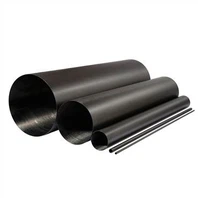
100% CARBON FIBRE CAMERA POLE - STANDARD MODULUS CARBON FIBER + UD OUTER SURFACE | Much stiffer than carbon fiber composites | More expensive to manufacture | Safer, more stable, and more suitable for working in windy condition. |
100% CARBON FIBRE PHOTOGRAPHY POLE - HIGH MODULUS CARBON FIBER + 3K OUTER SURFACE | Super strength, stiffness, stability | Expensive of higher modulus material (We used Toray carbon fiber) | The professional camera pole system of accurate aerial inspection, landscape survey, etc. |
If you want to order or custom camera poles for aerial photo graphy, sports video filming, roof inspection or wild, landscape survey, please contact us for quotation.