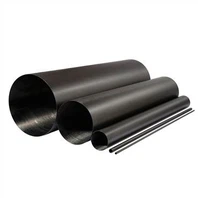
The carbon fiber commercial drone market has grown rapidly over the past decade, evolving from niche technology into a mainstream tool across various industries. What started as a device primarily for hobbyists has transformed into a versatile tool used to boost efficiency, reduce costs, and improve safety. From agriculture to construction, drones are becoming an integral part of operations worldwide. This blog explores the trends, opportunities, challenges, and future growth potential of the commercial drone market.
Current Market Overview
The global commercial drone market is currently valued at billions of dollars, with analysts predicting significant growth over the next few years. According to recent BCC Market reports is projected to reach $24.0 billion by 2029, growing at a CAGR of 13.8%.
Key Drivers of Growth
1. Technological Advancements
One of the biggest drivers behind the rise of the commercial drone market is the continuous improvement in drone technology. Today's drones are equipped with high-resolution cameras, thermal sensors, GPS systems, and artificial intelligence, which enable them to perform a wide range of tasks. These features make drones more capable, versatile, and suitable for various industry-specific applications.
2. Regulatory Developments
Governments across the world have recognized the potential of drones and are working to establish regulations that facilitate their safe and widespread use. Regulatory bodies such as the Federal Aviation Administration (FAA) in the United States and the European Union Aviation Safety Agency (EASA) in Europe have created frameworks that allow companies to integrate drones into their operations while ensuring safety and privacy standards. The easing of restrictions, particularly around beyond-visual-line-of-sight (BVLOS) operations, has opened up new opportunities for commercial drone applications.
3. Cost-Effectiveness and Efficiency
Drones have proven to be a cost-effective solution compared to traditional methods of inspection, monitoring, and data collection. For example, using drones for aerial surveys can save companies time and resources that would otherwise be spent on manned aircraft or on-the-ground inspections. Industries like agriculture, mining, and energy are seeing increased efficiency, which translates into reduced operational costs and increased productivity.
Major Industry Applications
1. Agriculture
In agriculture, drones are used for crop monitoring, precision farming, and spraying pesticides. They help farmers gather real-time data, which enables them to make informed decisions about irrigation, fertilization, and pest management. This results in higher crop yields and more efficient use of resources.
2. Construction and Real Estate
Construction companies use drones to survey sites, monitor progress, and conduct inspections. Drones can quickly capture high-resolution images and videos of construction sites, providing valuable insights into the status of projects. In real estate, drones are used to create aerial footage of properties, offering potential buyers a unique view of the area and its surroundings.

3. Energy and Utilities
Drones are increasingly used in the energy sector for inspecting power lines, wind turbines, and solar panels. Traditionally, these inspections were done manually, requiring workers to climb towers or use helicopters, which was both dangerous and costly. Drones make these inspections safer, faster, and more cost-effective, while also enabling companies to gather precise data for predictive maintenance.
4. Logistics and Delivery
One of the most talked-about applications of drones is in the logistics and delivery sector. Companies like Amazon, UPS, and DHL are testing drone delivery services for last-mile deliveries. Although regulatory challenges still exist, the potential for faster, cheaper, and environmentally friendly deliveries is driving investment in this area.

Carbon Fiber Commercial Drones: Future Trends
1. Integration of AI and Machine Learning
The future of commercial drones will be driven by the integration of artificial intelligence (AI) and machine learning (ML). These technologies can enable drones to make autonomous decisions, analyze data in real time, and optimize operations. For example, AI-powered drones can detect patterns in crop health or identify defects in infrastructure, making them even more valuable for industry applications.
2. Expansion of BVLOS Operations
As regulatory bodies become more comfortable with drone technology, we can expect to see an expansion of beyond-visual-line-of-sight (BVLOS) operations. This would allow drones to cover larger areas and carry out more complex missions, such as long-distance delivery services or monitoring remote industrial sites.
3. Emergence of Urban Air Mobility (UAM)
Urban Air Mobility (UAM) refers to the concept of using drones for passenger transport within cities. While still in the early stages of development, UAM has the potential to revolutionize urban transportation. Companies like Uber and Airbus are exploring the feasibility of drone taxis, which could reduce traffic congestion and provide an alternative mode of transport in busy metropolitan areas.
The commercial drone market is on an upward trajectory, driven by technological advancements, regulatory support, and the growing demand for cost-effective solutions across various industries. While there are still challenges to overcome, such as regulatory hurdles and security concerns, the future of drones looks promising. Companies investing in drone technology now are likely to benefit from increased efficiency, reduced costs, and a competitive edge in their respective industries.
As technology continues to evolve, the commercial drone market will offer even more opportunities for innovation, making it an exciting space to watch in the coming years. As technology continues to evolve, the commercial drone market will offer even more opportunities for innovation, making it an exciting space to watch in the coming years. Xinbo Composites provides professional composite solutions for customized carbon fiber drone parts to push drone development.