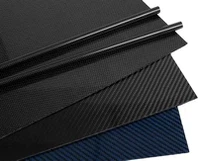
A carbon fiber camera mast is a high-performance support structure designed to lift cameras, sensors, antennas, lighting equipment, or inspection devices to an elevated position while keeping the overall system lightweight, rigid, and easy to operate. Compared with aluminum or steel masts, carbon fiber camera masts offer a better balance of strength, stiffness, corrosion resistance, and portability, making them ideal for professional photography, surveillance, broadcasting, industrial inspection, emergency response, and mobile monitoring systems.
What Is a Carbon Fiber Camera Mast?
A carbon fiber camera mast is usually made from carbon fiber tubes. These tubes are manufactured by combining carbon fiber reinforcement with resin, creating a material that is much lighter than metal while maintaining excellent mechanical performance. Depending on the application, the mast can be designed as a telescopic mast system.
The camera is mounted at the top of the mast, allowing operators to capture images or video from a higher viewpoint without using drones, cranes, ladders, or permanent structures. This makes the carbon fiber camera mast especially useful in environments where quick deployment, mobility, and stability are important.

Carbon Fiber Camera Mast Key Advantages
The biggest advantage of carbon fiber is its high strength-to-weight ratio. A carbon fiber mast can provide reliable support for cameras and accessories while remaining easy to carry and install. This is especially important for field operations where equipment must be moved frequently.
Carbon fiber also provides excellent stiffness. A rigid mast helps reduce bending, shaking, and vibration, which is critical for clear image capture, stable video recording, and accurate sensor positioning. For long camera masts, stiffness is often more important than strength because excessive flex can reduce image quality and operational precision.
Another important benefit is corrosion resistance. Unlike aluminum or steel, carbon fiber does not rust. This makes it suitable for outdoor use, coastal environments, humid locations, and industrial sites where metal components may degrade over time.
Carbon fiber camera masts also have a clean and professional appearance. The woven or matte carbon fiber surface gives the product a modern, technical look.
Carbon Fiber Camera Mast Applications
Carbon fiber camera masts are widely used in photography and videography, especially for elevated shooting angles. They can be used for event coverage, sports recording, architectural photography, real estate imaging, and landscape observation.
In security and surveillance, carbon fiber masts can support cameras for temporary monitoring, border inspection, crowd control, perimeter security, and mobile command systems. Because they are lightweight, they can be deployed quickly by a small team.
For industrial inspection, carbon fiber camera masts are useful for checking roofs, towers, bridges, power lines, tanks, pipelines, and other hard-to-reach areas. They allow inspectors to capture visual data safely from the ground, reducing the need for climbing or heavy lifting equipment.
Emergency response teams can also benefit from carbon fiber masts. During rescue operations, disaster assessment, or firefighting support, a mast-mounted camera can provide a better field of view without relying on aircraft or drones.
Why Carbon Fiber Is Better Than Aluminum for Camera Masts
Aluminum is widely used because it is affordable and easy to machine. However, for longer masts or portable professional systems, aluminum can become heavy and less rigid. Carbon fiber offers a much better stiffness-to-weight ratio, enabling users to reach higher working heights with less physical effort.
Carbon fiber also reduces operator fatigue. When a mast needs to be carried, raised, lowered, or repositioned many times, weight becomes a major factor. A lighter mast improves efficiency and safety during field work.
For high-end imaging systems, carbon fiber also helps reduce vibration and improve overall stability, which can directly improve video quality and sensor performance.
Custom Carbon Fiber Camera Mast Solutions
Many camera mast applications require a custom design. Tube diameter, wall thickness, fiber orientation, section length, locking method, mounting interface, and surface finish can all be customized based on the final use case.
For heavy cameras or high wind environments, a larger tube diameter and optimized carbon fiber layup may be required. For portable field systems, lightweight telescopic structures and compact storage length may be more important. For vehicle-mounted systems, the mast may need special base adapters, cable routing, or reinforced mounting points.
A well-designed custom carbon fiber camera mast can improve stability, reduce total system weight, and extend the service life of the equipment.
A carbon fiber camera mast is an excellent solution for professional imaging, surveillance, inspection, and mobile monitoring applications. It combines lightweight construction, high stiffness, corrosion resistance, and strong visual appeal. Whether used as a telescopic field mast or a fixed support structure, carbon fiber offers clear advantages over traditional metal materials.
For users who need a reliable, portable, and high-performance elevated camera support system, a carbon fiber camera mast is one of the best choices available.