

Products
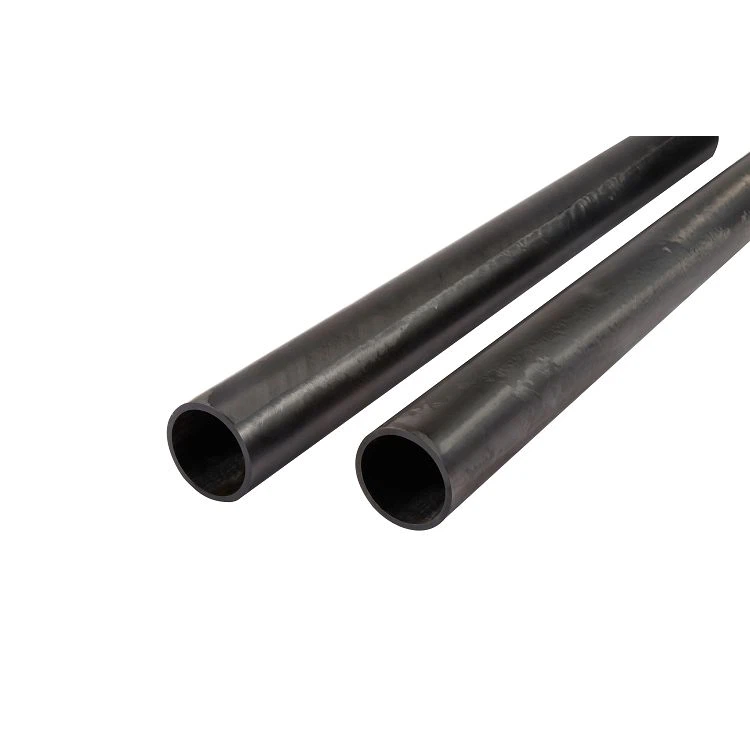


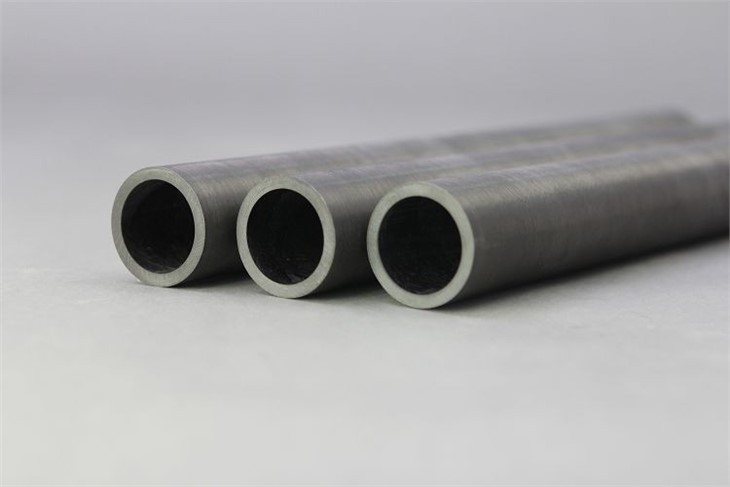
Carbon Fiber Driveshafts
Xinbo Composites offers the strongest and safest driveshafts because of our proprietary tubing design and our materials. Our proprietary filament winding process allows us to get stronger performance per pound of weight.
Carbon Fiber Driveshafts Advantages
-
Safer than steel and aluminum driveshafts.
-
Reduce Waste while Increasing Productivity and Efficiency.
-
Finished with a smooth carbon fiber outer layer and lightweight, black-anodized aluminum ends, improves safety.
-
Carbon fiber offers maximum weight reduction & decreased MOI for more immediate acceleration & deceleration
-
Filament winding carbon fiber maximizes torsional strength both radially & laterally to improve performance in extreme racing conditions
Customize Carbon Fiber Driveshafts
| Product | Carbon Fiber Driveshafts |
| Material | Standard Modulus / Intermediate Modulus / High Modulus / Ultra High Modulus (Optional) |
| Process | Filament Winding Process |
| Surface | Polished or Painted |
| Pattern | Multi Filament Winding Angles |
| Ends | Black-anodized aluminum |
| MAX OD | 123mm |
| MAX Length | 1800mm |
|
OD Tolerance |
Natural Tubing: ±0.15~0.2mm |
| Polished Tubing: ±0.05mm | |
| Painted Tubing: ±0.15mm |
Application
● Industrial Automation Machines
● Racing Vehicles
Benefits of Using Carbon Fiber Driveshafts
More Torque
Independent testing by a trusted automotive periodical showed rear wheel horsepower increased by more than 5% with only the switch from a conventional steel driveshaft to a carbon fiber driveshaft. This is primarily due to the lighter rotational mass of the carbon fiber driveshaft. A lightweight carbon fiber driveshaft allows more engine power to be transferred to the wheels.
Higher RPM
Driveline vibration is a common problem that can limit RPM. In racing scenarios, metal driveshafts experience harmonic whip, limiting usable RPM and forcing them to run the engine well below redline in each gear. A carbon fiber driveshaft was developed that allowed a 1000 RPM increase in useable engine speed and gave the engine a chance to work at its'power peak. Since 1987, many racers in all areas of motorsports have discovered the extra RPM and the resulting tuning flexibility carbon fiber driveshafts provide.
Better Reliability
All drive shafts twist to some degree when torque is applied. The resistance to this twist is measured as torsional spring rate. Carbon Fiber (composite) drive shafts have a torsional spring rate a little less than aluminum and about half that of steel. The advantage of a lower spring rate is less driveline shock and a reduction of stress on other drivetrain components, as well as increased traction.
Increased Safety
Carbon fiber drive shafts are built for strength for torque transfer and can be broken with a hard blow from the side. The result is that when a u-joint or yoke fails, the carbon fiber composite begins to disintegrate when it contacts the chassis. As the composite comes apart, the shaft simply turns into a bunch of loose carbon fibers instead of tearing up the driver and vehicle.
Lighter Weight
A lighter carbon fiber shaft increases your fuel economy, and increases your rotational mass, which, as mentioned earlier, increases torque. It also makes installation easier.
Reduced Noise, Vibration and Harmonics
A smoother ride is easier on your equipment, and easier on the operator. As a result, the carbon fiber drive shafts are subjected to less stress and tend to last longer. The same can then be said for the other components of your powertrain.
Frequently Asked Questions About Carbon Fiber Driveshafts
Q: Does a carbon fiber driveshaft make a difference?
Q: How much HP can a carbon fiber driveshaft handle?
Q: Can you use a carbon fiber driveshaft if it's been dropped?
Q: Can you repair a carbon fiber driveshaft?
Q: Can I shorten an existing Carbon Fiber driveshaft?
Q: How long do carbon fiber shafts last?
Q: Can a carbon fiber shaft operate in a misaligned condition?
Q: How do you finish a carbon fiber shaft?
Q: Can a carbon fiber driveshaft flex?
Q: Is carbon fiber driveshaft worth it?
Hot Tags: carbon fiber driveshafts, China carbon fiber driveshafts manufacturers, carbon fiber hiking stick, FRP round tube, 1.25 carbon fiber tube, carbon wing tubes, buy carbon fiber tubes manufacturers, Quality Carbon Fiber Wing Tube


