

Products
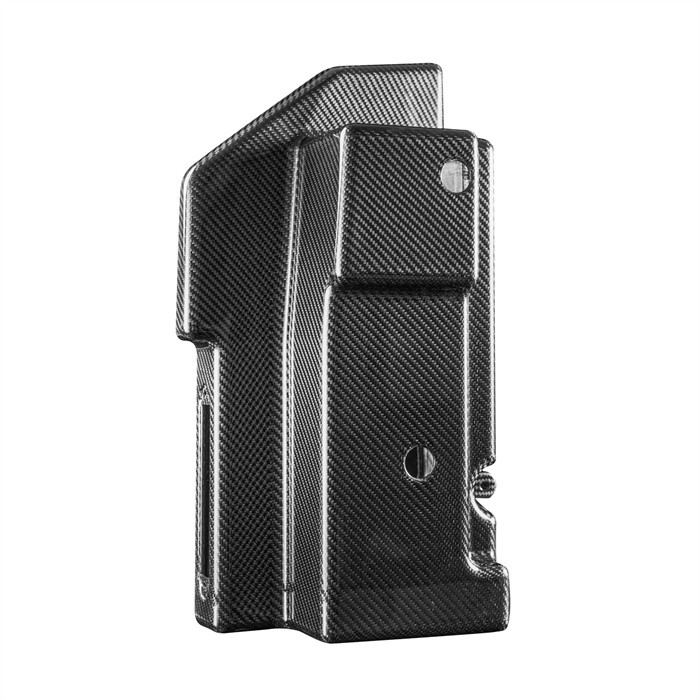
Carbon Fiber Parts Making
The strength of carbon fiber material is well known across industries as being stronger than steel but 1/10th the weight and having molding characteristics that make it easy to be cast into different shapes and sizes, carbon fiber can be custom twisted and braided to manufacture parts of the best models in the world.
We produce all of our items in our factory patterns. All components can be special ordered in various patterns of 3k plain weave or 3k twill weave, 6k, or 12k carbon fiber with options for matte or gloss finish. Forged Carbon Fiber is also available for production. Custom Carbon/Kevlar color combinations are also available.
Carbon Fiber Parts Making Specifications:
- Material: Carbon Fiber ( Standard/Medium/ High Modulus), Carbon Kevlar Hybrid
- Patterns: UD, Twill, Plain or Carbon, and Kevlar Hybrid.
- Size: Customized Upon Drawing.
- Surface Finish: Raw, Glossy & Matte Clear or Colored Coated.
- CNC Machining: Drilling, Trimming.
- Metal & Alloy Adhesive or Inserted Parts: Workable.
Carbon Fiber Parts Making Processes:
Autoclave molding eliminates bubbles and pinholes during the manufacturing process. It gives a perfect finish to enhance its cosmic appearance.
Autoclave molding is used to manufacture automotive components. Applying controlled heat and pressure allows manufacturers to produce incredibly strong, lightweight components such as automotive interior and exterior parts, intake and exhaust pipe systems, and energy machine parts. This improves fuel efficiency, reduces emissions and enables more aerodynamic designs.
1. Lay-up of carbon fiber prepregs
We put the release agent on the surface of the mold first and lay up carbon fiber prepregs, and these layers are placed over a mold in specific orientations to achieve the desired strength and stiffness.
2. Vacuum Bagging
Once the lay-up is complete, the materials and mold are covered with a sealed vacuum bag. When the vacuum is applied inside the bag, trapped air is removed.
3. Autoclave Curing
The sealed mold is placed inside the autoclave, a large, pressurized oven that applies heat and pressure to carbon fiber prepregs. The heat catalyzes the curing of the resin, and the pressure helps compress the material, which supports bonding between the layers.
6. Cooling Phase
After the holding time, the autoclave is gradually cooled to room temperature while maintaining pressure to avoid warping or deforming the material.
7. Pressure Release and Unbagging
When the autoclave reaches room temperature, the pressure is carefully released. The vacuum bag is removed, and the composite part is extracted from the mold.
8. Post-Curing and Machining
Some composites may require a post-curing step outside the autoclave to achieve their final properties. Machining or other finishing processes are also applied to meet certain specifications.
9. Inspection and Quality Control
The final step involves thoroughly inspecting the composite part to ensure it meets design and quality specifications. Techniques such as ultrasonic testing, or visual inspections are commonly used.
10. Additional Services
We also supply optional services, eg, trimming, CNC machining, coating, bonding & assembling metal or plastic parts, and Logo printing.
Hot Tags: carbon fiber parts making, China carbon fiber parts making manufacturers, Carbon Fiber Car Accessories, fiberglass body kits, Quality Carbon Fiber Dashes, Carbon Parts, Quality carbon fiber exhaust tips, carbon fiber motorcycle fairings


